

How Does a Horizontal Autowalk Improve Passenger Flow Efficiency?
Horizontal Autowalks, commonly referred to as moving walkways, are automated transportation devices designed to move pedestrians efficiently along horizontal or slightly inclined pathways. These systems are integral to modern airports, transit hubs, and commercial centers, enabling high passenger throughput while reducing walking fatigue.
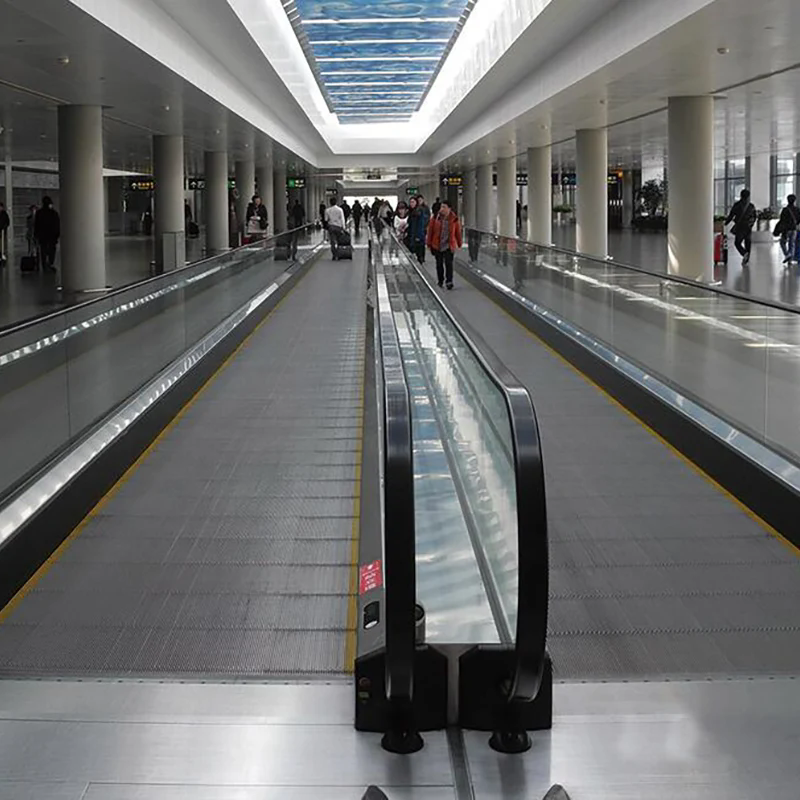
A typical Horizontal Autowalk includes components such as a robust step chain, handrails, drive motors, and safety sensors. Below is a technical summary of a standard model for professional reference:
| Parameter | Specification |
|---|---|
| Length | 20–100 meters (customizable) |
| Width | 800–1200 mm |
| Speed | 0.5–0.75 m/s (adjustable) |
| Incline | 0–5° |
| Motor Type | AC or DC drive with variable frequency control |
| Load Capacity | 70–90 kg per step, up to 5000 passengers/hour |
| Safety Features | Emergency stop buttons, anti-slip step surface, handrail sensors |
| Energy Consumption | 1.5–3 kW depending on length and load |
The above parameters provide a foundation for understanding the performance and operational capacity of Horizontal Autowalks. These systems are engineered to sustain continuous operation in high-traffic environments, combining energy efficiency, user safety, and durability.
How Does a Horizontal Autowalk Operate to Maximize Efficiency?
The operational efficiency of a Horizontal Autowalk relies on the integration of mechanical and electronic systems. The step chain, often made of durable steel or aluminum alloys, moves in a continuous loop powered by an AC or DC motor. Variable frequency drives regulate speed, allowing seamless acceleration and deceleration for passenger comfort. The handrail synchronizes with the step movement, ensuring stability and safety.
Safety sensors are strategically placed along the walkway to detect obstructions, sudden stops, or overload conditions. In addition, emergency stop buttons and anti-slip surfaces further reduce risk, making Horizontal Autowalks suitable for high-traffic applications, including airports, train stations, and commercial complexes.
Moreover, efficient energy use is achieved through modern regenerative braking technology, which converts kinetic energy back into electrical energy during deceleration phases. The combination of mechanical precision and energy optimization ensures a reliable and eco-friendly operation.
How to Integrate a Horizontal Autowalk into Existing Infrastructure?
Integration of a Horizontal Autowalk requires meticulous planning to align with architectural and operational requirements. Key considerations include pathway width, pedestrian traffic density, and alignment with entrances, exits, or transfer points. Structural modifications may be necessary, particularly for retrofitting older facilities.
Electrical integration demands careful design to accommodate motor power, safety interlocks, and control systems. Control panels are typically installed at strategic points for operational management, maintenance monitoring, and emergency overrides. Integration also involves harmonizing the autowalk’s speed with other transport systems in the facility, ensuring smooth passenger transitions.
Environmental conditions such as temperature, humidity, and dust levels influence material selection and maintenance schedules. For outdoor installations, protective coatings and weatherproof motors enhance longevity. Properly executed integration results in an autowalk system that optimizes passenger movement without compromising facility aesthetics or safety standards.
How to Maintain and Troubleshoot Horizontal Autowalks?
Maintenance of Horizontal Autowalks is crucial to ensuring uninterrupted operation. Key maintenance tasks include:
-
Step and handrail inspection: Regular checking for wear, misalignment, or damage.
-
Motor and drive system service: Lubrication, vibration analysis, and electrical diagnostics.
-
Sensor and safety feature verification: Testing emergency stops, obstruction sensors, and handrail synchronization.
-
Cleaning and debris removal: Prevents mechanical jams and extends the lifespan of moving components.
Common Issues and Solutions:
-
Noise or vibration: Often caused by worn rollers, loose screws, or misaligned chains. Tightening, lubrication, or roller replacement resolves the issue.
-
Motor failure or speed inconsistency: Could result from power surges, defective drives, or inadequate cooling. Regular electrical inspections and drive replacement ensure reliable performance.
-
Step slippage or derailment: Typically a mechanical issue; inspecting the chain, step alignment, and tension is essential.
Horizontal Autowalk FAQs:
Q1: How long is the typical lifespan of a Horizontal Autowalk?
A1: With routine maintenance and proper operational usage, Horizontal Autowalks can function efficiently for 15–20 years. Key factors affecting longevity include load conditions, environmental exposure, and maintenance frequency.
Q2: How much energy does a Horizontal Autowalk consume per day in a high-traffic facility?
A2: Energy consumption varies with motor type, load, and speed, but an average installation of 50 meters may consume approximately 36–72 kWh per day, considering continuous operation during peak hours. Utilizing energy-efficient motors and regenerative braking can reduce this significantly.
How Will Horizontal Autowalks Evolve to Meet Future Transit Demands?
Future trends in Horizontal Autowalk technology focus on automation, energy efficiency, and user experience. Intelligent sensors capable of detecting pedestrian flow in real time can adjust speed dynamically, reducing congestion. Advanced materials are being explored to lower friction, increase durability, and reduce overall energy consumption.
Integration with smart building management systems allows operators to monitor traffic patterns, schedule maintenance proactively, and optimize energy use. Moreover, design enhancements, such as wider steps, ergonomic handrails, and modular configurations, aim to accommodate higher volumes of passengers while maintaining safety standards.
Leading manufacturers, including Ningbo Blue Fuji, are investing in research and development to produce next-generation Horizontal Autowalks that combine reliability, low energy consumption, and minimal maintenance requirements. Facility planners seeking advanced solutions can contact the company directly for consultation, customized specifications, and professional installation services.
Contact Us: For inquiries regarding Horizontal Autowalk solutions, detailed specifications, or maintenance support, reach out to Ningbo Blue Fuji’s expert team to receive tailored guidance for your facility