

Why Is the Modern Passenger Elevator Redefining Vertical Mobility Across Global Infrastructures?
In high-density urban environments, the passenger elevator has evolved from a simple lifting device into an intelligent, energy-aware mobility core. Architects, developers, and facility managers now expect seamless integration, reduced downtime, and adaptive performance. This article examines how engineering breakthroughs and safety frameworks are transforming vertical transportation. The elevator sector is currently witnessing a shift toward decentralized control architectures and regenerative drive systems, which directly influence operational expenditure and building life cycle value.
Technological Core: What Drives the Next-Generation Passenger Elevator?
Modern units utilize gearless permanent magnet synchronous motors, eliminating conventional machine rooms and reducing energy draw by a substantial margin. Unlike older traction systems, new designs apply real-time load weighing and destination dispatching algorithms. Such innovations shorten waiting intervals and enhance traffic handling in towers with mixed usage patterns. Furthermore, IoT-enabled sensors monitor door operation, leveling accuracy, and vibration signatures, transmitting diagnostic data to cloud platforms. Maintenance crews receive predictive alerts, minimising unplanned stoppages. The passenger elevator thereby becomes a node within the building management ecosystem, contributing to smart city frameworks.
Energy Regeneration and Low-Carbon Compliance
Regenerative converters capture kinetic energy during braking and feed it back into the building grid, lowering overall consumption by about one third compared to non-regenerative counterparts. LED cabin lighting, standby sleep modes, and lightweight car slings further reduce carbon footprint. For projects seeking green building certifications, such characteristics are indispensable.
Smart Access and Destination Control
Touchless biometric interfaces, mobile app calls, and RFID integration define contemporary access logic. Destination operation systems group passengers travelling to adjacent floors, thereby decreasing the number of intermediate stops. This technology has proven especially effective in high-rise office towers and hospitals where efficient traffic flow directly affects user experience.
Safety & Code Evolution: Elevating Reliability Standards
Global standards such as EN 81-20/50 and ASME A17.1 have introduced more rigorous requirements for door locking devices, overspeed governors, and emergency braking systems. The modern elevator must undergo thousands of cycle tests for door mechanisms and a defined number of full-load safety gear engagements. Manufacturers are now integrating redundant brakes, electronic overspeed governors without mechanical centrifugal parts, and remote rescue operation modules that allow lowering the car to the nearest landing during power interruptions. Building owners benefit from reduced liability and improved occupant confidence.
Emergency Communication and Evacuation Functions
Battery-backed intercoms, video assistance, and automatic recall for fire service are mandatory in many jurisdictions. Newer systems include in-car air quality monitoring and pressure sensors to detect irregular door obstructions. For buildings with high seismic risk, seismic trip devices trigger a controlled stop before the event peak, avoiding rope derailment. Such resilience features are no longer optional but essential for regulatory approval.
Cybersecurity for Connected Lifts
As passenger elevators become IP-addressable, encrypted communication between controllers and remote monitoring centres is critical. Secure boot processes, role-based access for technicians, and regular firmware validation prevent unauthorized tampering. Reputable providers now incorporate hardware security modules to safeguard passenger data and dispatching commands.
Market Trends: Regional Deployment and Design Adaptations
Across Asia, the Middle East, and Europe, design preferences vary regarding cabin dimensions, door configurations, and finishing materials. In Southeast Asia, humidity and temperature extremes demand corrosion-resistant stainless steel and enhanced ventilation. Meanwhile, Middle Eastern projects often prefer panoramic glass cars and oversized entrances for heavy goods movement alongside passengers. In each case, the elevator must comply with local seismic, wind, and thermal standards while maintaining a smooth ride quality. The table below contrasts typical design priorities across selected markets without numerical values:
| Market Region | Preferred Car Finish | Door Operation Priority | Safety Enhancement Focus |
|---|---|---|---|
| East Asia (high-rise residential) | Anti-fingerprint steel, LED ambient lighting | High-frequency cyclic testing | Earthquake quick return to landing |
| Southeast Asia (hotel & mixed-use) | Bamboo veneer, antibacterial handrails | Moisture-resistant door sensors | Emergency ventilation & battery backup |
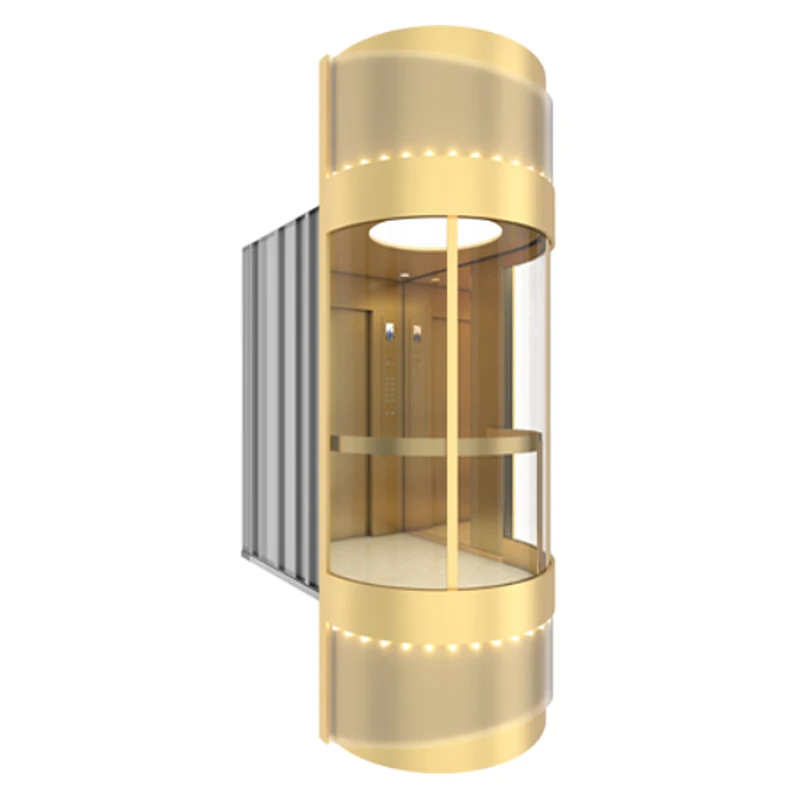
| Middle East (luxury towers) | Gold anodized panels, glass panoramic | Wide two-speed sliding doors | Heat-resistant controllers & UPS for AC |
| Europe (modernization projects) | Recycled aluminum, minimalistic | Energy-efficient standby door operation | EN81-50 compliance & remote monitoring |
Such regional differentiation underscores the necessity for manufacturers to maintain flexible production lines and localized certification teams. The global passenger elevator fleet is expanding by thousands of units annually, with modernization contracts growing even faster due to aging infrastructure.
Installation and Maintenance Excellence: Reducing Lifecycle Cost
Proper installation accounts for a large portion of long-term reliability. Laser-guided rail alignment, accurate sill positioning, and tensioning of compensation ropes ensure vibration remains within strict limits. After commissioning, preventive maintenance intervals have shifted from fixed calendar schedules to condition-based triggers. Remote monitoring platforms analyse travel cycles, door operations, and levelling accuracy daily. When deviations exceed preset thresholds, a service engineer is dispatched with specific spare parts, drastically reducing repair turnaround. For property managers, such transparency translates into predictable operating budgets and fewer tenant complaints.
Training and Competence Development
Qualified technicians must understand both electromechanical systems and software configuration. Leading manufacturers provide digital work instructions, augmented reality assistance, and simulation-based troubleshooting modules. This knowledge transfer ensures that even in remote locations, maintenance quality remains consistent. The company implementing rigorous training protocols sees an evident reduction in callbacks and enhanced equipment lifespan.
Spare Parts Logistics and Rapid Response
Strategic distribution centres stocked with door operators, inverter boards, and guide shoes reduce waiting times. Cloud-based part identification using QR codes on components accelerates ordering accuracy. For high-usage buildings, having a critical spare parts kit on site is recommended. The passenger elevator fleet benefits from such proactive logistics, as downtimes become exceptions rather than norms.
Future Outlook: Artificial Intelligence and Autonomous Diagnostics
Research into self-tuning suspension systems and AI-driven anomaly detection promises to push reliability further. Machine learning models trained on years of operational data can identify subtle patterns preceding component failures, such as unusual current ripple in the motor drive or door closing force degradation. These algorithms can be deployed on edge controllers, issuing early warnings without constant cloud connectivity. Additionally, digital twin simulations allow engineers to test new dispatching logic on a virtual replica before real-world deployment, eliminating unforeseen traffic jams. The coming decade will likely see the elevator evolving into a fully predictive, self-optimizing system, requiring minimal human intervention beyond scheduled component replacement.
Integration with Building Automation Systems
Open protocols like BACnet and MQTT allow elevators to share traffic forecasts with HVAC and lighting systems. For example, during peak inbound hours, elevator controllers can signal the air handling units to adjust floor-level ventilation preemptively. This synergy reduces energy waste and improves perceived indoor air quality. Building owners gain operational simplicity through unified dashboards that display elevator status alongside other critical systems.
Accessibility and Inclusive Design
Voice announcement, braille buttons, and lower control panels are standard in modern elevator models. New regulations also demand audible floor indexing and visual car direction indicators. Beyond compliance, inclusive design elevates the brand reputation of property developers. The trend is moving toward customizable user profiles, where frequent users can retrieve personalized cabin lighting or floor preferences via mobile authentication, all while preserving accessibility for all visitors.
Partnering with a Proven Technical Specialist
For stakeholders seeking a reliable partner in this rapidly changing industry, experience and technical collaboration matter substantially. Ningbo Blue Fuji Elevator Co., Ltd. operates as a technical partner of Japan Fuji Elevator Co., Ltd., combining over a decade of specialization in design and global distribution of vertical and horizontal transit systems. Their portfolio includes not only advanced passenger elevator units but also escalators and moving walks that have been successfully deployed across China, Southeast Asia, and the Middle East. The company adheres to the business philosophy of pragmatic development and shared prosperity, delivering quality equipment and responsive engineering support. Blue Fuji welcomes domestic and international clients to visit their facilities and explore cooperative opportunities. With consistent attention to rider satisfaction and regulatory conformance, Ningbo Blue Fuji Elevator Co., Ltd. stands as a competent ally for projects that demand reliable vertical mobility solutions in challenging environments.
In conclusion, the elevator industry continues to integrate intelligent controls, green technologies, and predictive maintenance frameworks. Selecting a manufacturing partner with proven technical heritage and regional deployment experience ensures that building owners and operators meet both current regulations and future adaptability requirements. The commitment to excellence demonstrated by specialized firms like Ningbo Blue Fuji Elevator Co., Ltd. exemplifies the direction of the entire sector.
Previous:International Children's Day!